


Desejo
Add a review FollowOverview
-
Founded Date November 5, 2009
-
Sectors Restaurant / Food Services
-
Posted Jobs 0
-
Viewed 17

Company Description
Understanding the Psychology of the Casino
Casinos are not merely massive buildings filled with games of chance; they are highly engineered, psychological laboratories.
When you understand exactly how the environment manipulates your emotions, you can consciously fight back against the programming.
The Psychology of the “Near Miss”
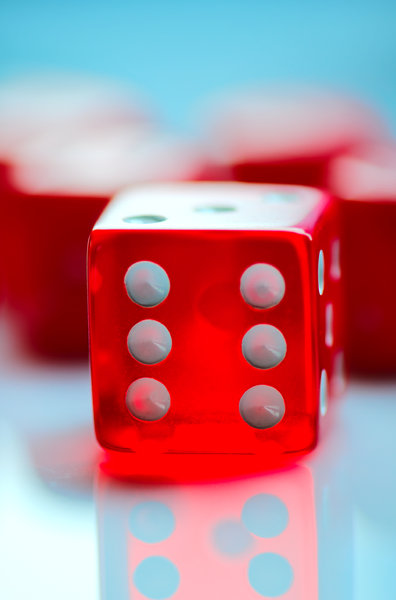
A craps player throwing the dice harder to hit a high number is a perfect example of this deeply ingrained, illogical bias.
A near miss occurs when the first two jackpot symbols land perfectly, and the third symbol stops just one agonizing inch away from the payline.
- Choosing your own lottery numbers gives a false, powerful sense of agency
- Casinos heavily promote past “hot” numbers on roulette boards to exploit this
- Understanding randomness is the only defense against the illusion of control
The Architecture of the Casino Floor
By completely severing the player’s connection to the natural cycle of the sun, the casino induces a hypnotic state of timelessness.
The harder it is to find the physical exit doors, the more likely a wandering player is to sit down at another slot machine.
The Skinner Box of the Slot Machine
This psychological concept, discovered by B.F. Skinner, proves that unpredictable, random rewards are vastly more addictive than guaranteed, predictable rewards.
This constant anticipation effectively hijacks the brain’s natural dopamine reward system, creating a powerful, deeply ingrained behavioral addiction.
| Psychological Tactic | Casino Implementation | Effect on Player |
|---|---|---|
| Time Distortion | No windows or clocks | Loss of time awareness, longer play |
| Near Misses | Slot reels stopping slightly off | Triggers dopamine, encourages more spins |
Always wear a watch, establish strict time limits, and never believe that a slot machine is magically “due” to hit a jackpot.
